
Years
1985 in History
1985 is the year the Cold War began to thaw: in March Mikhail Gorbachev was chosen to lead the Soviet Communist Party, opening the era of glasnost and perestroika, and in November he and Ronald Reagan held their first summit at Geneva. The same year staged Live Aid for Ethiopian famine relief, found the wreck of the Titanic, and launched Microsoft Windows 1.0.
At a Glance
- Defining event
- Mikhail Gorbachev chosen to lead the Soviet Communist Party, 11 March — glasnost and perestroika begin
- Turning point
- Reagan and Gorbachev open their first summit at Geneva, 19 November
- Global stage
- Live Aid's twin London and Philadelphia concerts raise money for Ethiopian famine relief, 13 July
- Found at last
- An American-French expedition locates the wreck of the Titanic, 1 September
- Technology
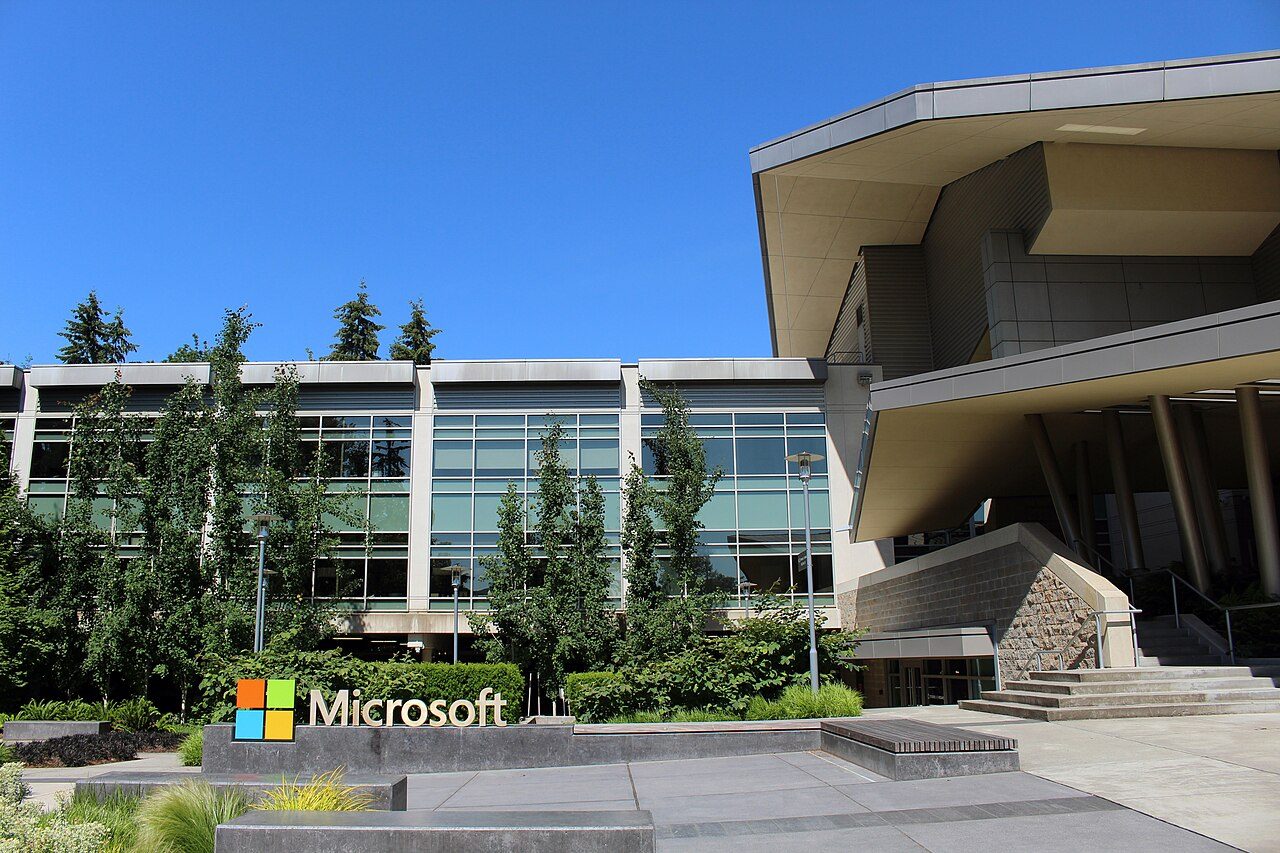
- Microsoft releases Windows 1.0, 20 November, its first graphical operating environment
- Deadliest crash
- Japan Air Lines Flight 123 crashes on 12 August; only four of 524 aboard survive
The defining story: a new man in the Kremlin
The Soviet Union that entered 1985 had buried three leaders in little more than two years, and on 10 March Konstantin Chernenko died in office, opening the way for a very different successor. The next day the Communist Party chose Mikhail Gorbachev to lead it. His arrival began the era the world would know by two Russian words — glasnost and perestroika, openness and restructuring — and set the Soviet Union on a course its new leader could influence but, in the end, not control.
In Washington, President Ronald Reagan had spent 6 February setting out the 'Reagan Doctrine' of support for anti-communist fighters in his State of the Union address — the hard line of a Cold War still fully armed. Yet within months the two systems were talking. On 19 November Reagan and Gorbachev opened their first summit in Geneva, an encounter the record of the year plainly names as the start of the Cold War's thaw. Nothing was settled in Geneva, but the men who commanded the world's two nuclear arsenals had met, and the meeting itself changed the weather.
The thaw shared the year with spectacles and shocks of other kinds. On 13 July Bob Geldof's Live Aid filled stadiums in London and Philadelphia at once, raising money for Ethiopian famine relief before a global television audience — a new kind of worldwide public, assembled by satellite. On 1 September a joint American-French expedition led by Robert Ballard and Jean-Louis Michel located the wreck of the Titanic, some 73 years after it sank, closing one of the sea's oldest searches.
The year's ledger also held disaster and violence: Japan Air Lines Flight 123 crashed into mountains north-west of Tokyo on 12 August, and of 524 people aboard only four survived, in the deadliest single-aircraft accident in history; a magnitude-8 earthquake devastated Mexico City on 19 September, killing thousands, a toll long officially understated; and on 13 November a volcanic mudflow from Nevado del Ruiz buried the Colombian town of Armero, killing more than 23,000 people.
Timeline of 1985
- 6 February
President Ronald Reagan sets out the 'Reagan Doctrine' of support for anti-communist fighters in his State of the Union address.
- 11 March
Mikhail Gorbachev is chosen to lead the Soviet Communist Party, beginning the era of glasnost and perestroika.
- 15 March
Symbolics.com becomes the first registered internet domain name.
- 23 April
Coca-Cola replaces its 99-year-old formula with New Coke; public backlash forces the original's return after 79 days.
- 29 May
Crowd violence before the European Cup final at Heysel Stadium in Brussels kills 39 football supporters.
- 13 July
Live Aid, Bob Geldof's twin concerts in London and Philadelphia, raises money for Ethiopian famine relief before a global television audience.
- 12 August
Japan Air Lines Flight 123 crashes north-west of Tokyo; of 524 people aboard, only four survive.
- 1 September
A joint American-French expedition led by Robert Ballard and Jean-Louis Michel locates the wreck of the Titanic.
- 19 September
A magnitude-8 earthquake strikes Mexico City, killing thousands and devastating the capital.
- 7 October
Palestinian gunmen hijack the Italian cruise ship Achille Lauro in the Mediterranean, murdering passenger Leon Klinghoffer.
- 9 November
Garry Kasparov, 22, defeats Anatoly Karpov to become the youngest world chess champion.
- 19 November
Ronald Reagan and Mikhail Gorbachev open their first summit in Geneva, the start of the Cold War's thaw.
- 20 November
Microsoft releases Windows 1.0, its first graphical operating environment for personal computers.
- 27 December
Dian Fossey, the primatologist who studied Rwanda's mountain gorillas, is found murdered in her cabin at the Karisoke research camp.
Why 1985 still matters
Geneva mattered because of what it started rather than what it signed. The Reagan-Gorbachev encounter of November 1985 opened the sequence of summits and treaties that wound the Cold War down over the following six years, and Gorbachev's glasnost and perestroika set in motion changes inside the Soviet Union that no one in 1985 — including Gorbachev — could fully foresee. The year is the hinge on which the late Cold War turns from confrontation toward negotiation.
Quieter firsts pointed the same way, toward a connected world. On 15 March Symbolics.com became the first registered internet domain name — a small administrative act for a network few outside universities had heard of. On 20 November Microsoft released Windows 1.0, its first graphical operating environment for personal computers: modest beside the Macintosh Apple had shown the year before, but the first step of the system that would come to run most of the world's personal computers.
And Live Aid demonstrated a new instrument: the simultaneous global broadcast in a good cause, two stadiums and a television audience acting as one public. The same year's culture marked the scale of that public — Michael Jackson bought the ATV music catalogue, and with it the publishing rights to most of the Beatles' songs, for $47 million in August, while Whitney Houston scored her first number one hit in October. 1985 was the year the late twentieth century's two great stories — the Cold War's end and the networked world's beginning — first shared a calendar.
1985 on The History Trail
Gorbachev, Geneva and Windows lead this year on The History Trail.
- March 11 in History — Mikhail Gorbachev is chosen to lead the Soviet Communist Party.
- November 19 in History — Reagan and Gorbachev open their first summit at Geneva.
- November 20 in History — Microsoft releases Windows 1.0.
- July 13 in History — Live Aid fills stadiums in London and Philadelphia for Ethiopian famine relief.
- September 1 in History — The wreck of the Titanic is located, 73 years after it sank.
- Microsoft — The company that released Windows 1.0 in November 1985.
- Coca-Cola — The company whose New Coke experiment failed in 79 days in 1985.
Sources
- Encyclopaedia Britannica — On This Day: March 11
- Wikimedia — On This Day feed: November 19
- Wikimedia — On This Day feed: November 20
- Encyclopaedia Britannica — On This Day: July 13
- Encyclopaedia Britannica — On This Day: September 1
The facts on this page were checked against these sources on 19 November 2026. The History Trail's permanent pages are researched and written for this site; the live profiles elsewhere on The History Trail are assembled automatically from Wikipedia and Wikidata.
About the Author
Researched and written by the The History Trail Editorial Team — the accountable editorial function behind this site's permanent story pages. The team works from the published sources cited on each page; it does not invent historians, reviewers or credentials, and it corrects errors openly.
Fact Check
Every load-bearing fact on this page traces to one of the sources listed above, and significant claims link to their source in the text. Our checking method is described on the methodology page; errors can be reported via the corrections page.
Sources & Citations
Cite this page as: The History Trail Editorial Team, The History Trail — this article's title, publication and update dates are shown beneath its headline. The full source list appears under Sources above; the site's source standards are on the sources page.