
Years
2013 in History
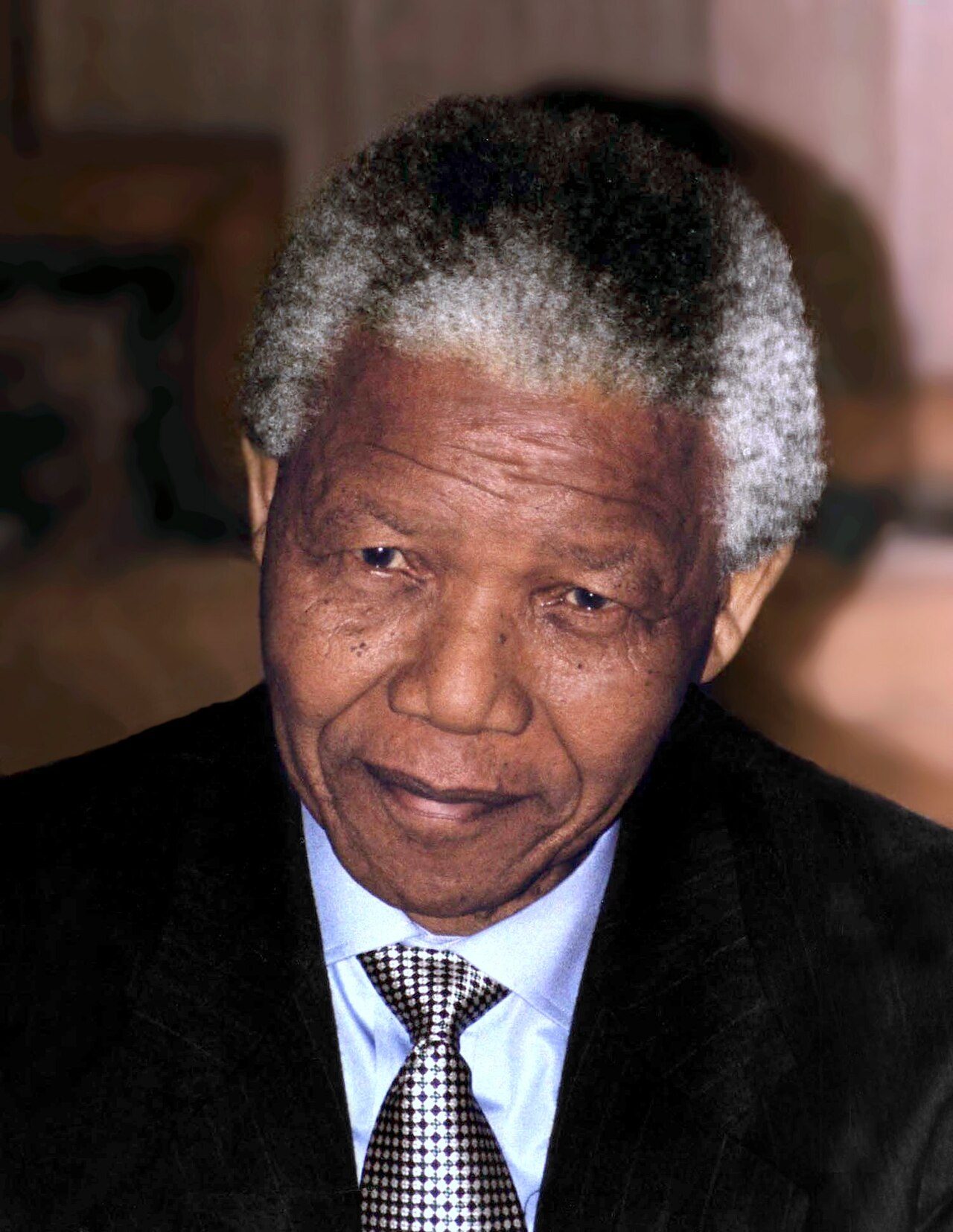
2013 closed with the century's most mourned death: on 5 December Nelson Mandela died at his home in Johannesburg, aged 95 — the former political prisoner who had led South Africa from apartheid to its first democratic election. The year had already seen a rarer Vatican double: Pope Benedict XVI resigned on 28 February, the first pope to relinquish the office in nearly six hundred years, and Cardinal Bergoglio of Argentina was elected on 13 March as Francis, the first pope from the Americas.
At a Glance
- Defining event
- Nelson Mandela dies in Johannesburg on 5 December, aged 95
- The resignation
- Pope Benedict XVI resigns the papacy on 28 February — the first pope to do so in nearly six hundred years
- The successor
- Jorge Mario Bergoglio is elected on 13 March as Pope Francis, the first pope from the Americas
- The attack
- Two bombs explode near the finish line of the Boston Marathon on 15 April, killing 3 and wounding more than 260
- The storm
- Super Typhoon Haiyan strikes the Philippines on 8 November; an estimated 6,300 people die
- The wait ends
- Andy Murray wins Wimbledon on 7 July, ending Britain's 77-year wait for a men's singles champion
The defining story: the death of a father
He had been ill for a long time, and the world had been rehearsing its grief for months. Nelson Mandela had been in and out of hospital through 2013 with a recurring lung infection — a legacy of the tuberculosis he contracted during 27 years in apartheid's prisons — and on the night of 5 December 2013 he died at home in Houghton, Johannesburg, in the company of his family. He was 95. Just before midnight, President Jacob Zuma announced it on national television: 'He is now resting. He is now at peace. Our nation has lost its greatest son. Our people have lost a father.' Within hours, mourners were singing outside the house, and tributes were arriving from virtually every government on earth.
The life being mourned had traced the whole arc of his country's tragedy and rescue. Born in 1918, Mandela trained as a lawyer, cofounded the African National Congress Youth League in 1944, and was sentenced to life imprisonment at the Rivonia Trial in 1964, telling the court he was prepared to die for a democratic and free society. He spent eighteen years breaking rocks on Robben Island while his name, banned from print in South Africa, became the world's shorthand for resistance to apartheid. Released on 11 February 1990, he chose negotiation over vengeance: through four years of talks he and F. W. de Klerk steered South Africa to its first universal election — work recognised by their shared Nobel Peace Prize in 1993. On 27 April 1994 Mandela voted for the first time in his life, at 75; on 10 May he was inaugurated as president, with his former jailers among the guests.
His single term was devoted less to policy than to holding a frightened, divided country together — the Truth and Reconciliation Commission, the 1995 Rugby World Cup final at which he wore the Springbok jersey of the old enemy, and the simple, radical act of retiring voluntarily in 1999. In retirement he became the world's elder statesman. His death on 5 December 2013 closed the century's most consequential biography: a man the South African state had labelled a terrorist, buried ten days later at Qunu as a head of state, mourned by presidents and kings at a memorial service in a Johannesburg stadium.
The year's other great transition happened in Rome. On 28 February Pope Benedict XVI resigned the papacy, the first pope to relinquish the office in nearly six hundred years, and on 13 March Cardinal Jorge Mario Bergoglio of Argentina was elected, taking the name Francis — the first pope from the Americas. In April Margaret Thatcher, British prime minister from 1979 to 1990 and the first woman to hold the office, died at 87. In July Egypt's military removed President Mohamed Morsi a year after his election, and Detroit filed for Chapter 9 bankruptcy, the largest municipal bankruptcy in American history. And on 15 April two bombs exploded near the finish line of the Boston Marathon, killing 3 people and wounding more than 260; after a day-long manhunt that shut down Boston, the surviving suspect was captured hiding in a boat in Watertown.
Timeline of 2013
- 28 February
Pope Benedict XVI resigns the papacy, the first pope to relinquish the office in nearly six hundred years.
- 5 March
Hugo Chávez, Venezuelan president whose 'Bolivarian revolution' reshaped his country, dies in office at 58.
- 13 March
Cardinal Jorge Mario Bergoglio of Argentina is elected pope, taking the name Francis — the first pope from the Americas.
- 8 April
Margaret Thatcher, British prime minister from 1979 to 1990, the first woman to hold the office, dies at 87.
- 15 April
Two bombs explode near the finish line of the Boston Marathon, killing 3 people and wounding more than 260.
- 19 June
James Gandolfini, the American actor whose Tony Soprano redefined television, dies of a heart attack at 51.
- 3 July
Egypt's military removes President Mohamed Morsi from power a year after his election, following mass protests.
- 7 July
Andy Murray wins Wimbledon, ending Britain's 77-year wait for a men's singles champion.
- 2 September
Diana Nyad, aged 64, completes the first swim from Cuba to Florida without a shark cage, some 110 miles in about 53 hours.
- 5 November
India launches its Mars Orbiter Mission, Mangalyaan, which reaches Mars orbit on its first attempt the following year.
- 8 November
Super Typhoon Haiyan strikes the Philippines, one of the strongest landfalling cyclones ever recorded; an estimated 6,300 people die.
- 5 December
Nelson Mandela dies in Johannesburg at 95.
Why 2013 still matters
Mandela's death was a world event in a way no other death of the decade matched, because his life had become a universal reference: the prisoner who forgave, the revolutionary who retired. The memorial crowds in Johannesburg — presidents and kings in a football stadium — measured how completely the man once hunted by his own government had become the century's moral standard. South Africa's later troubles do not diminish what his patience made possible in 1994; they measure, instead, how singular the achievement was.
The Vatican's year was nearly as historic in its own register. A papal resignation had been a theoretical possibility for centuries; Benedict made it a practical one, and the election of the first pope from the Americas — a Jesuit from Buenos Aires who took the name of the saint of the poor — re-centred a two-thousand-year-old institution in a single fortnight. Between Rome and Johannesburg, 2013 was a year in which the world's two most symbol-laden offices changed hands by abdication and by death, both without disorder.
The year's harder entries frame those transitions: the Boston bombing and the manhunt that emptied a great city's streets; Haiyan, among the strongest landfalling cyclones ever recorded, killing an estimated 6,300 in the Philippines; the Westgate attack in Nairobi in September, in which more than 65 people were killed over three days; and Egypt's return to military rule. Against them stand the year's quiet superlatives — Nyad's 110-mile swim at 64, India's Mars mission launched in November, Murray's Wimbledon. 2013 is remembered first for Mandela; it deserves remembering also as the year institutions proved they could still hand over power peacefully.
2013 on The History Trail
Mandela's farewell and the Vatican's extraordinary fortnight: 2013 on The History Trail.
- December 5 in History — Nelson Mandela dies at 95 — the year's featured story, told in full.
- March 13 in History — Cardinal Bergoglio is elected pope, taking the name Francis.
- February 28 in History — Pope Benedict XVI resigns the papacy.
- April 15 in History — Two bombs explode near the finish line of the Boston Marathon.
- November 8 in History — Super Typhoon Haiyan strikes the Philippines.
- July 7 in History — Andy Murray wins Wimbledon, ending Britain's 77-year wait.
Sources
- HISTORY — What Happened on December 5
- Encyclopaedia Britannica — On This Day: March 13
- Encyclopaedia Britannica — On This Day: February 28
- Encyclopaedia Britannica — On This Day: April 15
- Encyclopaedia Britannica — On This Day: November 8
- Encyclopaedia Britannica — On This Day: April 8
The facts on this page were checked against these sources on 19 November 2026. The History Trail's permanent pages are researched and written for this site; the live profiles elsewhere on The History Trail are assembled automatically from Wikipedia and Wikidata.
About the Author
Researched and written by the The History Trail Editorial Team — the accountable editorial function behind this site's permanent story pages. The team works from the published sources cited on each page; it does not invent historians, reviewers or credentials, and it corrects errors openly.
Fact Check
Every load-bearing fact on this page traces to one of the sources listed above, and significant claims link to their source in the text. Our checking method is described on the methodology page; errors can be reported via the corrections page.
Sources & Citations
Cite this page as: The History Trail Editorial Team, The History Trail — this article's title, publication and update dates are shown beneath its headline. The full source list appears under Sources above; the site's source standards are on the sources page.