
Things
Why Japan Attacked Pearl Harbor: Oil, Empire and War
Japan attacked Pearl Harbor because its leaders had decided to seize the oil and resources of Southeast Asia, and believed the United States Pacific Fleet had to be crippled first so it could not stop them. Embargoes, a failed negotiation and a closing window of oil turned that logic into a gamble on a Sunday morning.
At a Glance
- The core reason
- To disable the US Pacific Fleet while Japan seized the resource-rich colonies of Southeast Asia
- Japan's oil problem
- Japan imported most of its oil — more than 80 per cent of it from the United States
- The trigger
- After Japan occupied southern Indochina in July 1941, the US froze Japanese assets (26 July 1941) and embargoed oil exports
- The last negotiation
- The Hull note of 26 November 1941 asked Japan to withdraw from China and Indochina; Tokyo's leaders rejected the terms
- The planner
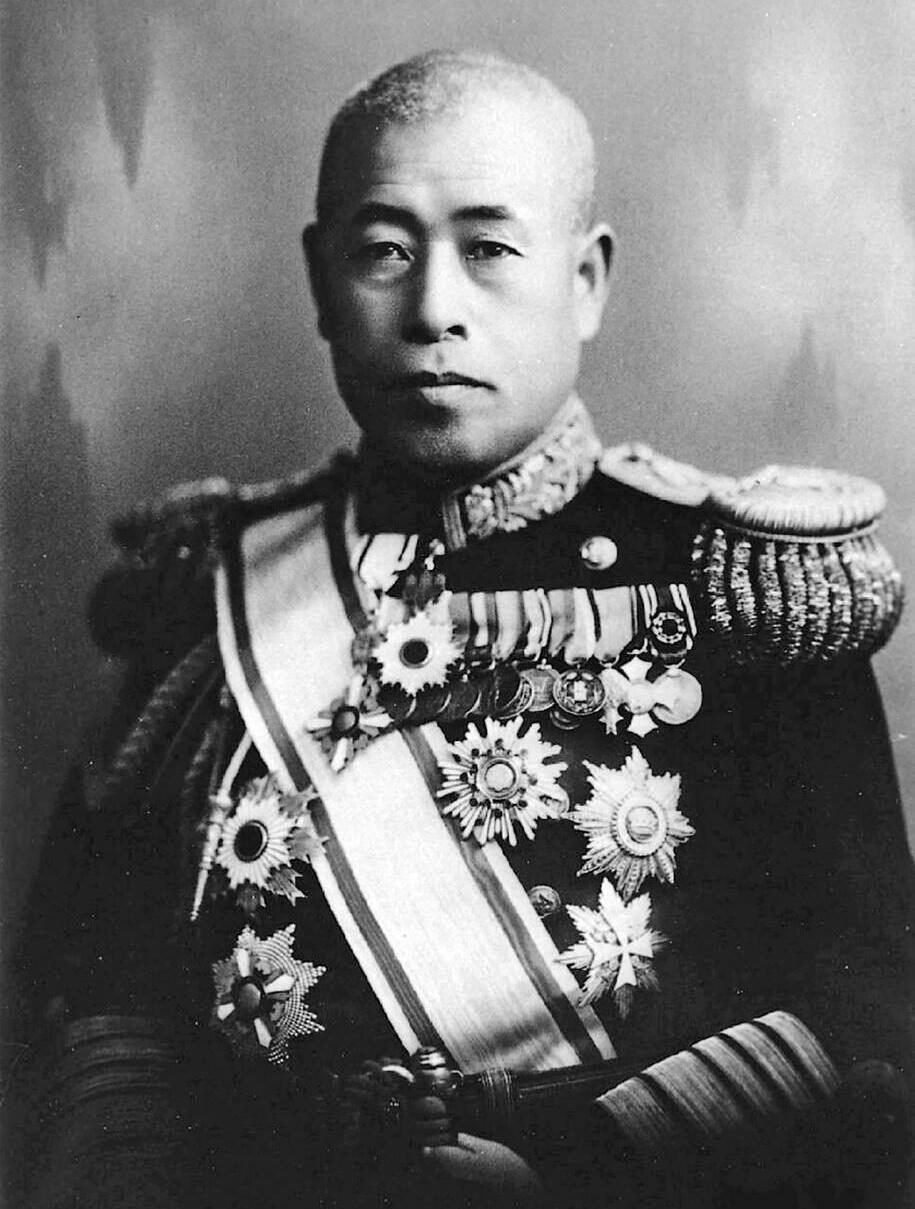
- Admiral Isoroku Yamamoto, who designed the strike while doubting Japan could win a long war
- The timing
- A Sunday morning, when the fleet was in port and surprise was most achievable
Introduction
Japan attacked Pearl Harbor to buy time. Its army was bogged down in a war in China, its industries depended on imported oil and raw materials, and its leaders had resolved to take those resources by force from the colonies of Southeast Asia — above all the oil of the Dutch East Indies. The one force positioned to interfere was the United States Pacific Fleet, based at Pearl Harbor, with American-held Philippines sitting across Japan's southern supply routes. Crippling that fleet in a surprise opening blow, Tokyo calculated, would let Japan seize its empire and fortify it before America could respond.
It was a decision made under pressure that Japan's own choices had created. A decade of expansion — into Manchuria in 1931, into full-scale war in China from 1937, into Indochina in 1940–41 — had brought escalating American economic retaliation, ending in a total oil embargo. Faced with withdrawing from China, which the army would not accept, or fighting a war for resources before the oil ran out, Japan's government chose war, and chose to open it at Pearl Harbor.
Background
Through 1941 the two countries negotiated while preparing for the war both increasingly expected. Secretary of State Cordell Hull's talks with Ambassador Kichisaburo Nomura and special envoy Saburo Kurusu deadlocked on three points: Japan would not leave China, it intended economic dominance in Southeast Asia, and it stood by its Tripartite Pact alliance with Germany and Italy. When Japanese forces occupied southern Indochina in July 1941, Washington froze Japanese assets on 26 July and followed with an embargo on oil and gasoline exports — a severe blow, since oil was Japan's most crucial import and more than 80 per cent of it came from the United States. The Imperial Japanese Navy estimated its reserves would last less than two years.
The attack plan itself came from Admiral Isoroku Yamamoto. Yamamoto had studied at Harvard and served in Washington; he understood American industrial power and doubted Japan could win a prolonged war. His answer was a single devastating opening blow: if war was coming anyway, carrier aircraft should destroy the Pacific Fleet at anchor, winning Japan perhaps a year to conquer and fortify. He pressed the plan on a reluctant naval high command in early 1941, at one point threatening to resign, and it was approved at imperial conferences that summer and autumn — conditional, formally, on diplomacy failing. On 26 November 1941 Hull delivered his final note, proposing that Japan withdraw from China and Indochina. Tokyo read it as an ultimatum. The same day, Nagumo's carriers were already at sea.
Timeline
- 1931
Japan seizes Manchuria, beginning a decade of expansion on the Asian mainland that steadily poisons relations with the United States.
- 1937
Full-scale war begins between Japan and China; American opinion hardens as the war's brutality becomes known.
- 1940
Japan moves into northern French Indochina and signs the Tripartite Pact with Germany and Italy; the United States embargoes scrap metal exports to Japan.
- Early 1941
Yamamoto develops the Pearl Harbor plan and wins the naval high command's assent; through the year, Hull and Nomura negotiate without closing the gap.
- July 1941
Japanese forces occupy southern Indochina, threatening Malaya and the Dutch East Indies and bringing the confrontation to a head.
- 26 July 1941
The United States freezes all Japanese assets; an embargo on oil and gasoline exports follows on 1 August, cutting off Japan's main oil supply.
- 26 November 1941
Hull delivers his note proposing Japanese withdrawal from China and Indochina; Japan's leaders reject the terms. The same day, Nagumo's six carriers sail from the Kurile Islands.
- 7 December 1941
With diplomacy exhausted and its oil clock running, Japan opens the war with the surprise attack on Pearl Harbor.
Significance
The reasoning was internally consistent and fatally wrong at the same time. Japan's planners assumed that a short, sharp blow would leave Americans willing to negotiate a settlement that left Japan's conquests in place. Yamamoto himself feared the opposite: that anything less than an overwhelming success would mean a long war in which American industrial capacity would eventually overwhelm Japan. The attack's very completeness — a strike on American soil, delivered without a declaration of war, while Japanese envoys were still talking in Washington — destroyed any possibility of the negotiated peace the plan required.
The embargo logic also deserves care, because it is often retold as if the oil cutoff made war inevitable. It did not. Japan had a real choice — withdrawal from China in exchange for restored trade — and its leaders rejected it because the army's position in China was politically untouchable in Tokyo. The embargo set the deadline; the decision to answer it with a surprise attack was made by men who preferred a desperate gamble to a humiliating climbdown.
Questions readers ask
Why did Japan not simply seize the Dutch East Indies without attacking America? Because the American-held Philippines lay across the sea lanes between Japan and the Indies, and Japanese planners were certain that seizing the southern resources would bring war with the United States anyway. They chose to meet that war on their own timing, with the Pacific Fleet disabled first, rather than wait for an American counterattack at full strength.
Why a Sunday morning? Because the Pacific Fleet followed a peacetime rhythm: ships returned to port for the weekend, crews went ashore, and readiness was at its weekly lowest. A dawn strike on a Sunday offered the best chance of catching the battle fleet at anchor and American aircraft on the ground — and surprise was the entire foundation of the plan.
Did Yamamoto believe the attack would win the war? No. He designed it to win time — roughly a year in which Japan could seize Southeast Asia and build a defensive perimeter strong enough to make reconquest too costly for the Americans. He had warned that Japan could run wild for the first six to twelve months of a war but that he could promise nothing beyond that, and he doubted Japan could prevail in a long contest against American industry.
Was war declared before the attack? No. Japan's final diplomatic note, delivered in Washington on 7 December, broke off negotiations but contained no declaration of war, and it reached Secretary Hull only after the attack had begun. The absence of any declaration before the bombs fell is a central reason the attack was received in America as treachery rather than as an act of war between declared enemies.
Could the embargo have been lifted without war? In principle, yes — the Hull note sketched a settlement: Japanese withdrawal from China and Indochina in exchange for normalised trade. But withdrawal meant abandoning a four-year war in China, and no government in Tokyo in late 1941 could survive accepting it. The door existed; Japanese politics had locked it.
Legacy
The gamble failed on its own terms within six months: the American carriers Japan had missed at Pearl Harbor defeated the Japanese carrier force at Midway in June 1942, and the long industrial war Yamamoto feared ground Japan down over the following three years. The southern empire the attack was meant to secure was dismantled island by island, and Japan ended the war occupied, its cities burned and two of them destroyed by atomic bombs.
Pearl Harbor therefore stands as the classic case study of a tactical masterpiece serving a strategic miscalculation. Japan's leaders correctly identified their resource problem, correctly predicted American intervention, and correctly judged that only surprise could offset American power — and still chose the course that guaranteed the total, unlimited war they could not win. The question 'why did Japan attack?' has a logistical answer, but its answer is about what governments do when every option they will consider leads somewhere they refuse to go.
Sources
- Naval History and Heritage Command — The Pearl Harbor Attack, 7 December 1941 (FAQ 66-1)
- The National WWII Museum — Pearl Harbor Attack, December 7, 1941
- Wikipedia — Prelude to the Attack on Pearl Harbor
- Wikipedia — Attack on Pearl Harbor
The facts on this page were checked against these sources on 19 November 2026. The History Trail's permanent pages are researched and written for this site; the live profiles elsewhere on The History Trail are assembled automatically from Wikipedia and Wikidata.
About the Author
Researched and written by the The History Trail Editorial Team — the accountable editorial function behind this site's permanent story pages. The team works from the published sources cited on each page; it does not invent historians, reviewers or credentials, and it corrects errors openly.
Fact Check
Every load-bearing fact on this page traces to one of the sources listed above, and significant claims link to their source in the text. Our checking method is described on the methodology page; errors can be reported via the corrections page.
Sources & Citations
Cite this page as: The History Trail Editorial Team, The History Trail — this article's title, publication and update dates are shown beneath its headline. The full source list appears under Sources above; the site's source standards are on the sources page.